The 4 Text Messages That Destroy Relationships (Gottman's Four Horsemen Over Text)
Dr. Gottman can predict divorce with 93% accuracy by watching for 4 patterns. All four are worse over text. Here is how to spot them and what to send instead.
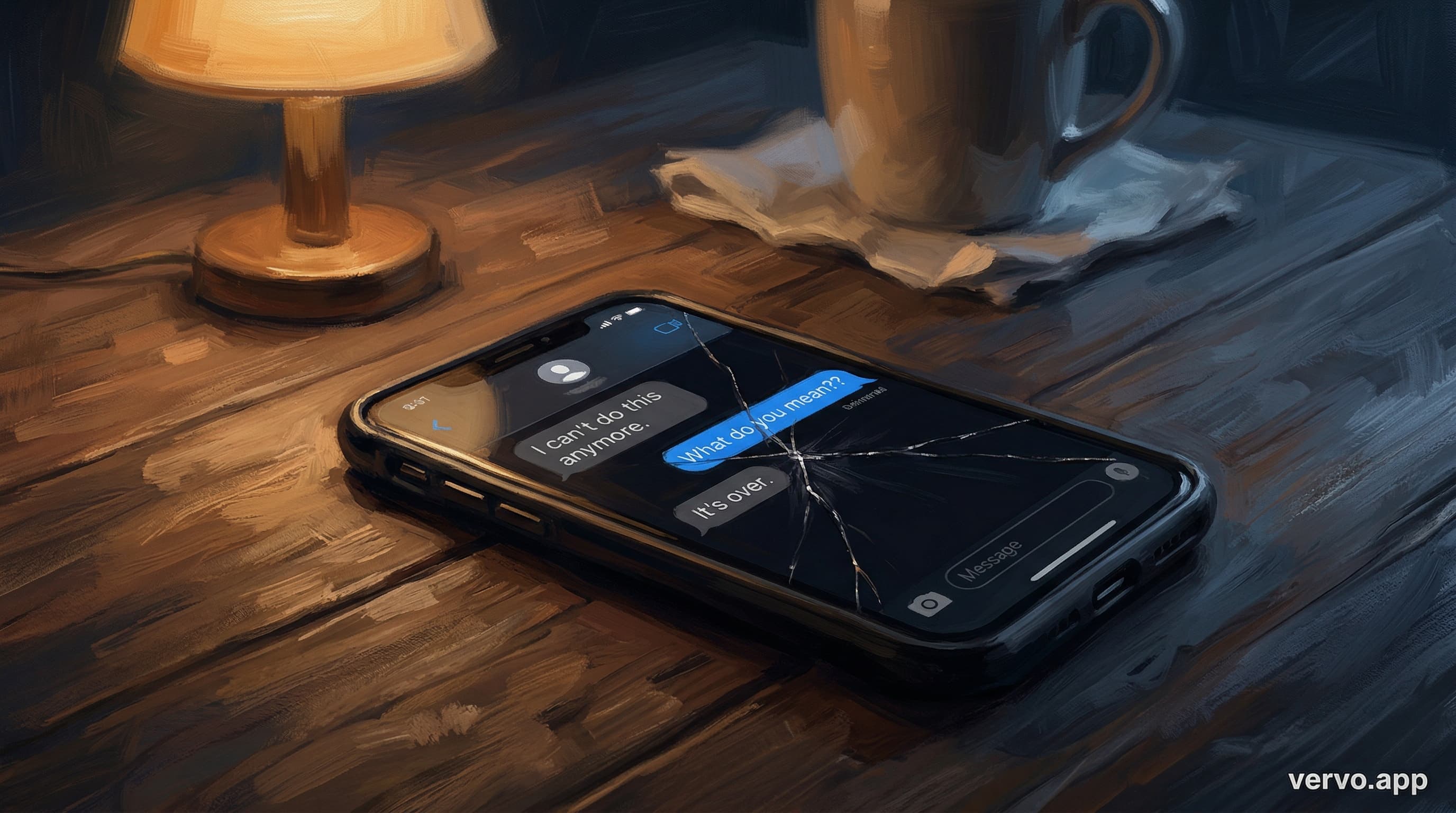
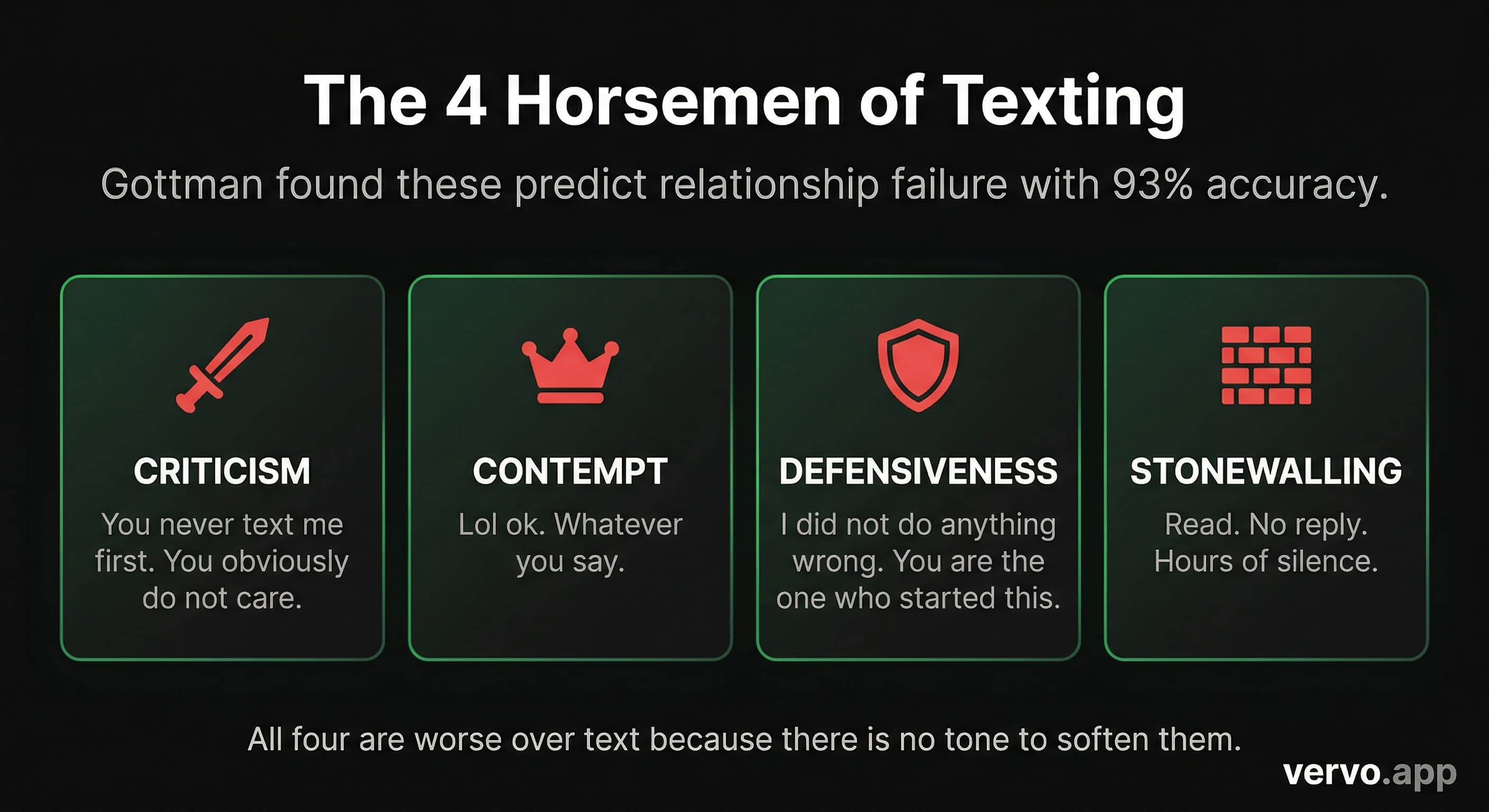
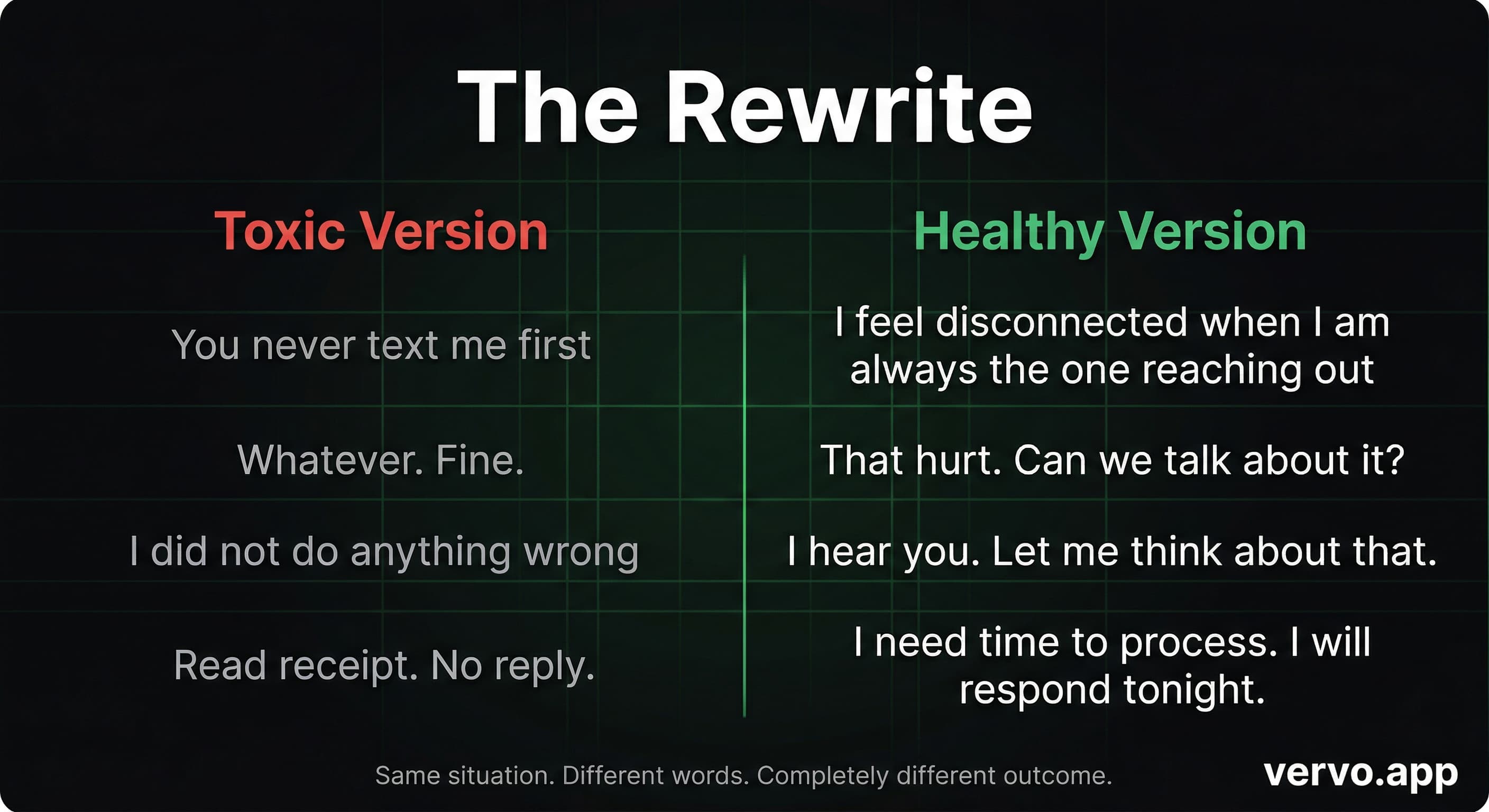
Dr. John Gottman spent 40 years studying thousands of couples. He identified four communication patterns that predict relationship failure with 93% accuracy. He called them the Four Horsemen: criticism, contempt, defensiveness, and stonewalling.
All four existed before texting. But texting makes every single one of them worse.
Text strips tone. It removes body language. It removes facial expressions. What remains is raw words on a screen. And raw words hit harder than anyone intends.
What Is Criticism Over Text?
Criticism attacks the person instead of the behavior.
"You never text me first" is criticism. "I feel disconnected when I'm always the one reaching out" is a complaint. Complaints address a specific behavior. Criticism attacks character.
The difference matters. A lot.
Over text, criticism lands harder because there is no softening. No apologetic tone in the voice. No gentle expression on the face. Just words that read like an indictment.
That "never" is the problem. It takes one frustration and turns it into an attack on who they are as a person.
Same underlying feeling. Completely different outcome.
The fix is simple. Use "I feel" statements instead of "You always" or "You never" statements. Your feelings are valid. Your character attacks are not helpful.
If you've ever found yourself typing out a text that starts with "You always" or "You never," pause. Delete those two words. Start the sentence with "I feel" instead. The conversation will go differently.
What Does Contempt Look Like in a Text?
Contempt is the most dangerous of the four. Gottman's research found it is the single strongest predictor of divorce. Stronger than criticism. Stronger than stonewalling. Contempt alone can end a relationship.
Contempt communicates disgust and superiority. In person, it looks like eye rolls. Sneering. Mocking. Over text, it looks like this:
Or this:
That period after "Sure" is doing heavy lifting. So is "Lol ok." Both communicate the same thing: I am above this conversation. Your concerns are ridiculous. I do not respect you enough to engage.
Sarcasm is contempt in disguise. "Whatever you say, bro." "Oh really? Fascinating." "That's so interesting." When these phrases would be delivered with an eye roll in person, they carry that same energy over text.
The problem with contempt is that it often feels justified in the moment. You are frustrated. You think they are being unreasonable. So you fire off something dismissive because you do not want to deal with it.
But contempt is a relationship killer. Every dismissive text chips away at the foundation.
The fix is direct honesty. If something is bothering you, say it. If you need space, say that. Anything is better than the slow poison of contempt.
How Does Defensiveness Show Up Over Text?
Defensiveness is counter-attacking instead of listening. Someone expresses a concern. Instead of hearing them, you immediately deflect. Blame reversal. Justification. "I didn't do anything wrong, you're the one who started this."
In person, defensiveness at least gives the other person a chance to interrupt. To say "wait, that's not what I meant." To read your face and see that you are shutting down.
Over text, defensiveness escalates faster because both people are composing responses while still angry. There is no pause for a deep breath. No body language cues that say "I am listening." Just two people typing furiously past each other.
This conversation is over. The person who tried to share a feeling got told they were ridiculous for having it. Trust erodes. The next time something bothers them, they might not bring it up at all.
The fix is taking responsibility for even a small part. You do not have to agree with everything they said. You do not have to accept blame for something you did not do. But you can acknowledge that their feeling is real. That costs nothing and prevents everything.
If you struggle with how to apologize over text, start there. Apologies are harder than they seem, and getting them wrong makes everything worse.
What Is Stonewalling Over Text?
Stonewalling is shutting down completely. In person, it looks like someone crossing their arms and going silent. Staring at the wall. Refusing to engage.
Over text, it is the read receipt with no reply.
Hours of silence. Maybe days. The person on the other end does not know if you are processing, if you are angry, if you have given up on the conversation entirely. They just see that blue checkmark and feel abandoned.
Stonewalling is not the same as needing space. The difference is communication.
Stonewalling gives nothing. No response. No acknowledgment. No indication of when engagement might resume. It leaves the other person in a void.
Needing space gives information. "I need time to process. I'll respond tonight." That is not stonewalling. That is healthy boundary-setting.
One sentence buys you all the time you need without making the other person feel like they have been left in the dark.
If you have ever been on the receiving end of this kind of silence, you know how it messes with your head. Being left on read when emotions are high feels like punishment. Even when it is not intended that way.
The fix is simple. If you need to step away, say so. A few words of acknowledgment prevent hours of anxiety.
Why Are All Four Worse Over Text?
Brigham Young University ran a study with over 4,700 couples. The finding was clear: texting about serious issues increases conflict and reduces relationship satisfaction.
Text removes the regulatory mechanisms that keep conversations from escalating. No tone modulation. No eye contact. No touch. No real-time feedback loop where you see your words landing and adjust.
When you text "We need to talk," the other person reads it in whatever tone their anxiety assigns. When you say "We need to talk" in a gentle voice with a hand on their shoulder, it lands completely differently.
Gottman's 93% prediction accuracy was based on in-person communication. Over text, these patterns are likely even more destructive because there are fewer ways to repair them.
In person, you can see the moment your words land wrong. You can say "wait, that came out wrong" before the other person has time to spiral. Over text, by the time you realize the damage, they have already read it seventeen times and constructed an entire narrative around it.
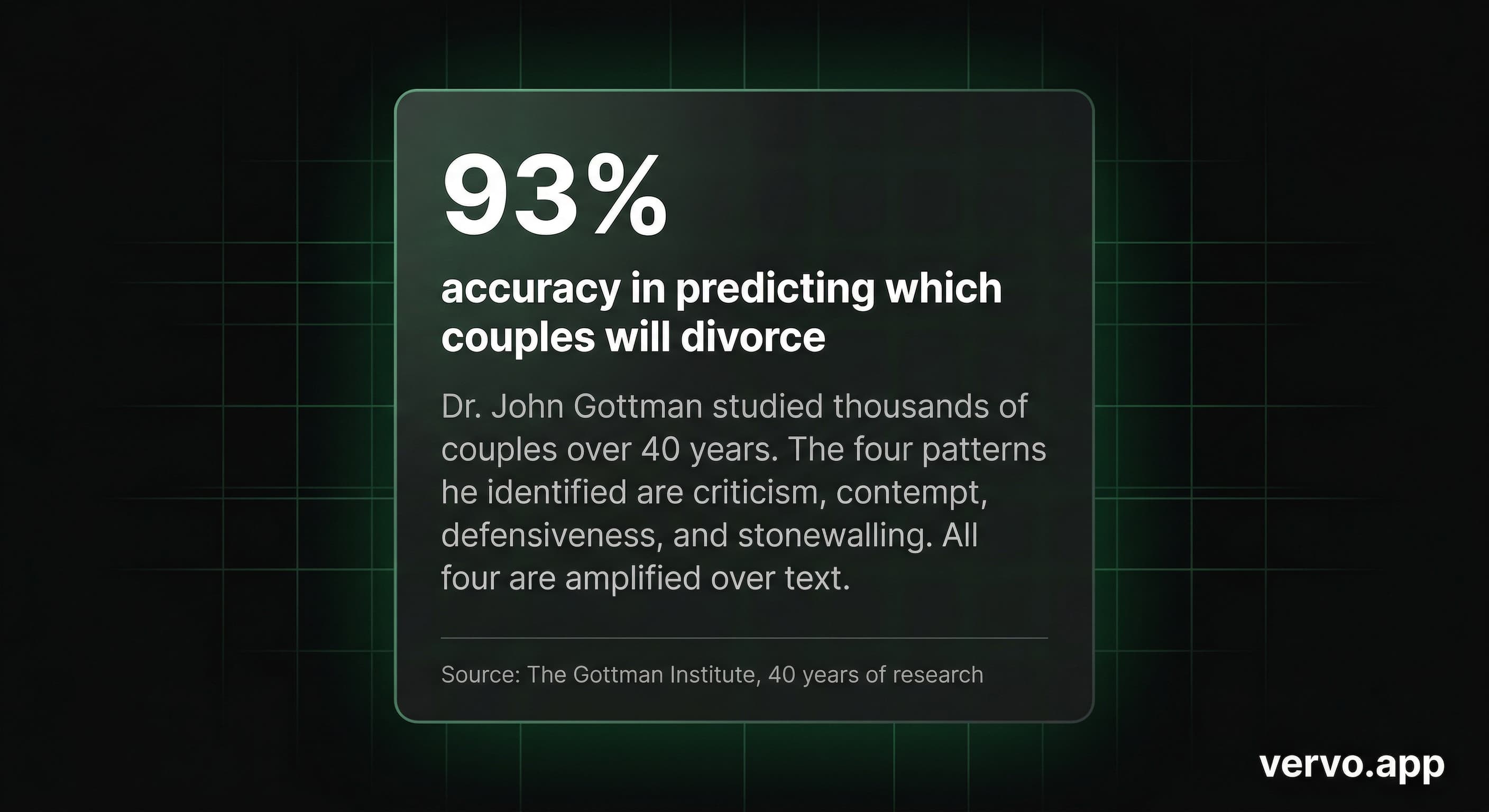
Every toxic texting pattern has a healthy rewrite. You have seen them throughout this article. Same situation. Different words. Completely different outcome.
Criticism becomes complaint. Contempt becomes honesty. Defensiveness becomes acknowledgment. Stonewalling becomes boundary-setting.
None of these rewrites are complicated. They do not require special training. They just require awareness that the words you choose matter. That the person reading them is a real person with real feelings. That a few seconds of thought before hitting send can change the entire trajectory of a conversation.
If you find yourself stuck in one of these patterns and cannot find the words to break out, Vervo can help. Screenshot the conversation. See the options laid out. Sometimes seeing a rewrite makes it easier to send.
The relationships that survive are the ones where both people pay attention. Even in text. Especially in text.
If you want to go deeper on texting habits ruining relationships or learn how to set boundaries over text, those are good next reads.
Your words on a screen are still your words. Make them count.
Sources
- The Gottman Institute, "The Four Horsemen: Criticism, Contempt, Defensiveness, and Stonewalling," 40 years of research on couples communication
- Brigham Young University, "The Impact of Texting on Perceptions of Face-to-Face Communication in Couples," RELATE Project (n=4,700+)
- Uswitch Consumer Survey, 2,000 respondents, 2024