DMs Are the New Front Door: Why Every Conversation Is Moving to Text in 2026
DMs are replacing calls, emails, and even customer service. More conversations in text means more moments where you freeze. Here's what that means for you.
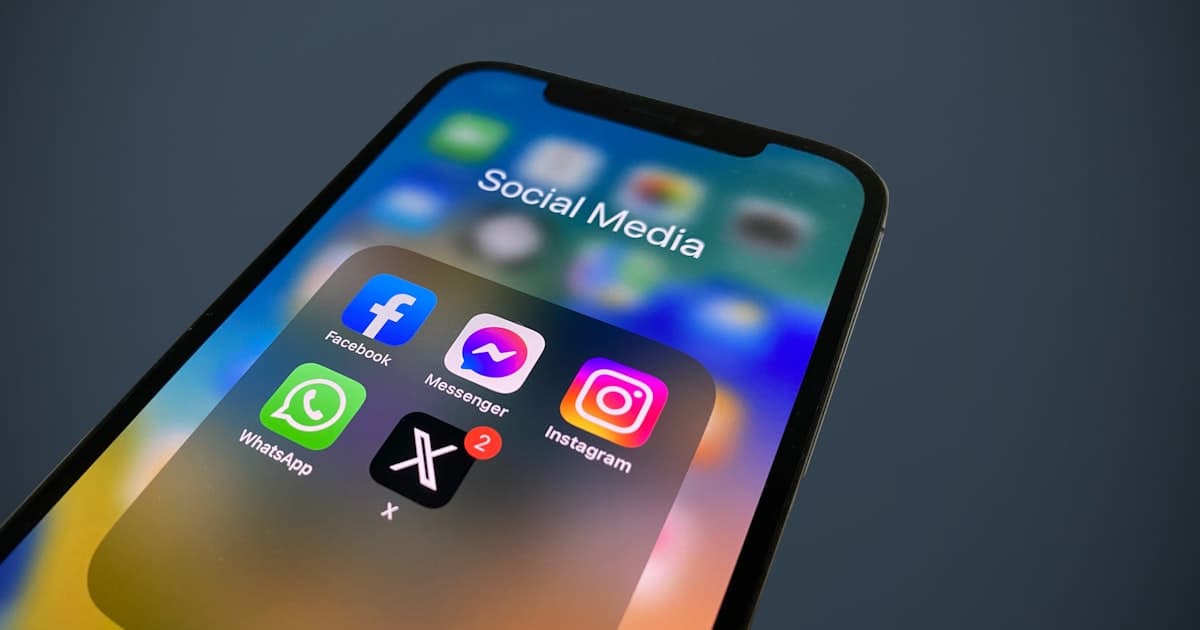
Adam Mosseri said it on a podcast last month. Instagram's biggest growth driver right now isn't Reels. It's DMs.
Let that land for a second.
The head of Instagram -- a platform built on photos, then Stories, then short video -- is telling the world that private messaging is what's actually growing the app. Not the feed. Not Explore. The conversations happening behind the scenes.
And Instagram isn't alone.
Why Is Everything Moving to DMs?
YouTube is testing in-app messaging. Spotify rolled out DMs so you can send songs to friends without leaving the app. Threads added private messages. WhatsApp is becoming a customer service channel for half the brands in your phone. Even LinkedIn DMs have turned into a sales floor -- for better or worse.
Every platform wants to own your conversations. Because conversations mean time spent. Time spent means data. Data means ads. The business model is straightforward, even if nobody says it that plainly.
But here's the part that matters to you and me: more of your actual life is happening inside text threads than ever before. The brand collab negotiation. The job inquiry. The friend checking in after a rough week. The crush responding to your Story. The client who "just has a quick question."
Five years ago, half of those would have been emails or phone calls. Now they're DMs. And the rules are different.
What Changes When Everything Is a Text Conversation?
Emails have built-in formality. You start with "Hi Sarah," you write in full sentences, you sign off. Phone calls have tone -- you can hear hesitation, warmth, sarcasm. Both formats give you guardrails.
DMs have none of that.
A DM to a potential client looks the same as a DM to your best friend. Same app. Same interface. Same tiny text box. But the stakes are wildly different. You wouldn't text your mom the way you text a brand partnership lead. Probably. Hopefully.
The problem is that your brain doesn't always make that distinction in the moment. You're switching between a group chat, a work thread, a customer complaint, and a flirty exchange -- all within the same thumb scroll. The cognitive load of adjusting tone for each conversation is real, and nobody talks about it.
This is where the freezing happens. Not because you don't know what to say, but because you're not sure which version of yourself to be in this particular thread.
Is DM Culture Making Texting Anxiety Worse?
Short answer: yes.
When texting was mostly for friends and family, the stakes were low. You could be casual. You could send a half-formed thought and nobody cared.
Now your DMs include people who can hire you, fire you, pay you, break up with you, or give you a brand deal. The casual medium is carrying professional-weight conversations, and your nervous system hasn't caught up.
I keep seeing the same pattern. Someone screenshots a DM exchange -- not a dating text, but a work negotiation or a client follow-up or a cold outreach message -- and asks "does this sound okay?" They're not asking about grammar. They're asking about tone. Is this too formal? Too casual? Too eager? Too cold?
That's the new anxiety. It's not just "what do I text my crush." It's "what do I text my potential business partner on a platform designed for sharing memes."
How Do You Handle Professional Conversations in Casual Spaces?
There's no etiquette guide for this because the shift happened faster than the culture could write one. But a few things are becoming clear.
Context is everything. A DM reply to someone's Instagram Story has different energy than a cold DM out of nowhere. The Story reply has a built-in excuse for contact -- you're responding to something they shared. The cold DM has to earn its right to exist in the first line. Same platform, completely different dynamics.
Brevity wins. This isn't email. Nobody wants to open a DM and see four paragraphs. Say the thing. Be specific. If you need more space, suggest moving to email or a call. Knowing how to keep a text conversation going without overloading someone is a real skill now.
Tone is the message. In a DM, how you say it matters more than what you say. The same information delivered with different punctuation, capitalization, and spacing reads as completely different messages. "Sure." and "Sure!" and "sure" are three different emotional states. You already know this intuitively, which is exactly why you agonize over it.
Response time is communication. Replying instantly to a business inquiry signals eagerness -- maybe too much. Waiting three days signals disinterest -- or that you're busy, depending on who's interpreting. There's no correct answer here, which is part of why it's stressful.
What Does This Mean for the Future of Texting?
The trend isn't slowing down. Every quarter, another platform adds messaging. Every quarter, another industry moves customer service to chat. Every quarter, another type of conversation that used to happen face-to-face or over email migrates to a DM thread.
This means the number of high-stakes text conversations in your life is going up. Not just dating. Not just friends. Your boss texts. Your client texts. Your follow-up texts that actually close deals. The DM from a stranger who might change your career.
And here's the contradiction nobody talks about enough: we're having more text conversations than any generation in history, and most people still freeze when the stakes go above "what's for dinner."
The overthinking cycle doesn't care whether it's a crush or a client. Receive a message. Analyze every possible meaning. Draft a response. Delete it. Redraft it. Worry about timing. Send it. Immediately regret the phrasing. That loop runs the same whether you're navigating a situationship or a sales negotiation.
When You're Stuck in a Thread That Matters
The uncomfortable truth is that knowing DMs are the new front door doesn't make it easier to walk through them. Understanding the trend doesn't fix the three-minute paralysis when someone important is waiting for your reply.
What actually helps is having options. Not a script -- scripts sound scripted in DMs faster than anywhere else. But seeing three different ways to say the same thing, in three different tones, so you can pick the one that sounds like you in this particular conversation.
That's what Vervo does. Screenshot the conversation, get three reply options -- one direct, one warm, one with the right amount of humor -- and pick the one that fits whether you're texting a recruiter or a customer service agent or the person you've been meaning to text back for four days.
The conversations aren't going back to email. They're not going back to phone calls. DMs are the front door now -- for everything from dating to deals to difficult conversations you've been avoiding.
Might as well know what to say when you get there.